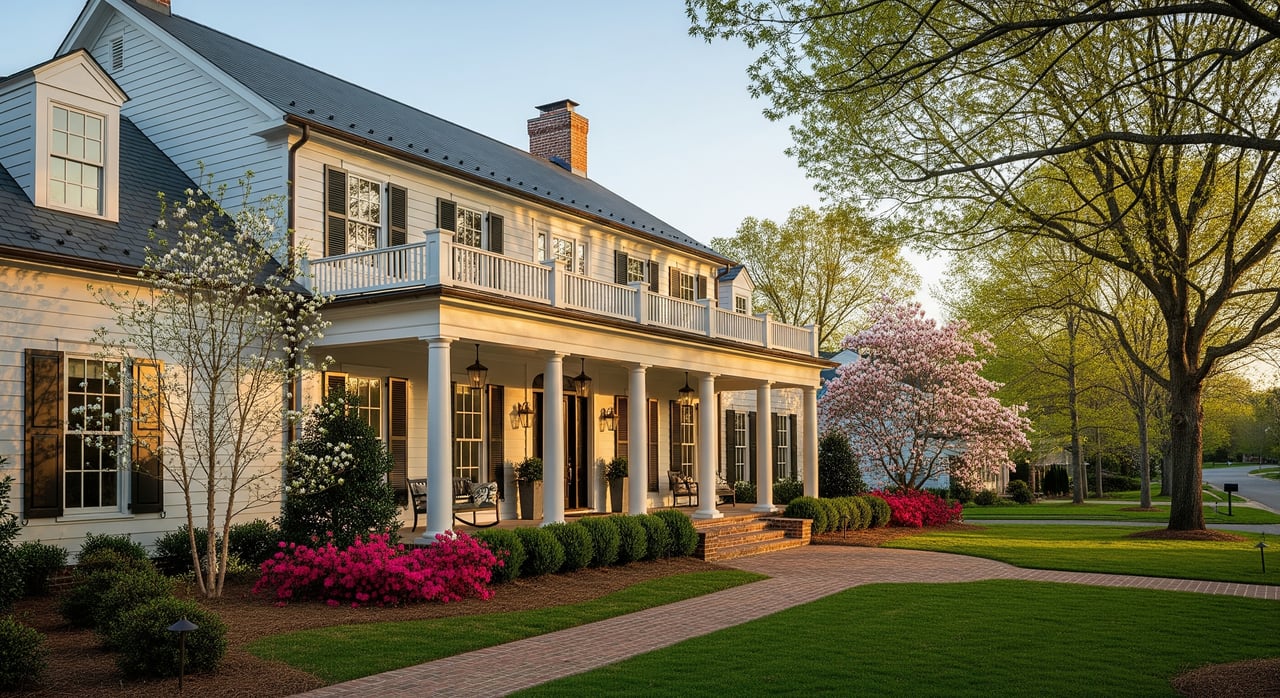
Wondering when you’ll get the strongest price and smoothest sale for your Wake Forest home? Timing matters. In our market, buyer demand ebbs and flows through the year, and a smart launch can mean more showings, stronger offers, and less stress. In this guide, you’ll learn the best months to list, how local factors like schools and new construction shape results, and a simple prep timeline to hit the market ready. Let’s dive in.
Wake Forest seasonality at a glance
Most years in Wake Forest, the market is busiest in spring. Buyer traffic, new listings, and sale prices typically improve from March through June. That mix often creates multiple offers and shorter days on market. A secondary window often appears in late summer into early fall, when many buyers aim to settle around the school year.
Winter brings fewer buyers and slower showing activity. Still, you can attract motivated shoppers in these months, especially relocators and cash buyers who need quick timelines. The key is to weigh seasonality against your goals, mortgage-rate conditions, and local inventory levels.
What shapes timing in Wake Forest
Several local forces can sharpen or soften the seasonal pattern each year. Keep these in view as you decide when to list:
- Inventory and months’ supply: Lower supply means more leverage for you and can amplify spring’s advantages. Higher supply reduces urgency and can stretch timelines.
- Mortgage rates: Lower rates expand buyer budgets and traffic. Rising rates can cool demand, even in typical peak months.
- School calendar: Many local buyers plan closings around July and August. Listings in spring line up well with that move cycle.
- New construction: Builder activity in Wake Forest and nearby suburbs can compete with resale homes. Incentives from builders may pull some buyers, so plan to highlight your home’s differentiators.
- Weather and holidays: Spring and early summer boost curb appeal and outdoor living. Late November through December often slows showings due to holidays.
Best months to list
Here’s a simple framework for choosing your window, with common trade-offs for each season.
March to June
Spring is the default recommendation if you have flexibility. You typically see the strongest buyer pool, more showings quickly, and better odds of multiple offers. Curb appeal and daylight help your photos and in-person impressions.
- Pros: Higher buyer traffic, stronger pricing power, faster days on market.
- Cons: More competing listings, plus potential overlap with builder activity. You will want standout marketing and smart pricing.
August to October
Late summer and early fall can be a solid second choice. Families who delayed spring searches often re-engage to move near the new school year, and many relocators arrive with fall job transitions.
- Pros: Active buyer pool, especially for homes that align with school-year moves. Opportunity to catch buyers who missed out in spring.
- Cons: Momentum can taper toward late fall. Inventory levels vary, so pricing discipline matters.
November to February
If you need to sell sooner, winter can still work. You’ll face less listing competition, and serious buyers are often on tight timelines.
- Pros: Lower competition, motivated shoppers, potential for quicker negotiations.
- Cons: Smaller buyer pool and, in many years, longer market time or firmer price negotiations.
Align your sale to schools
Because a meaningful share of Wake Forest buyers plan around the school calendar, you can lean into that timing. If you want a July or August closing, listing in March through May gives you time for showings, negotiations, inspections, and financing. That 60 to 90 day runway supports a comfortable closing before the first bell.
If your timeline falls outside spring, highlight benefits that matter to school-focused buyers. Flexible closing dates, quick close options, and clear information about enrollment processes can help buyers feel confident.
Compete with new construction
New-home communities in and around Wake Forest are a steady presence. Builders may offer incentives that tempt buyers, so position your resale home to win on value and lifestyle.
- Showcase what new builds often lack: mature trees and landscaping, larger or more private lots, established streetscapes, and custom upgrades.
- Emphasize quality improvements that outshine standard specs, like upgraded kitchens, site-finished floors, outdoor living, or smart-home systems.
- Consider strategic incentives over deep price cuts, such as a credit toward closing costs or a rate buy-down when the buyer’s lender allows it.
- Market neighborhood amenities when they are in season, like pools and trails, and have HOA documents ready to keep the deal on track.
Pricing and launch strategy
How you price and launch is as important as when you list. These tactics help you ride the seasonal wave.
- Set the price for your season: In spring, a market-competitive price can draw a larger crowd and spark bidding if inventory is low. In fall and winter, aim for realistic pricing and consider flexible terms or targeted incentives.
- Pick the right go-live day: Listing late in the week, often Thursday or Friday, can maximize weekend showings and early online momentum.
- Nail the first impression: Schedule exterior photos when landscaping looks its best, often mid to late spring. For interiors, aim for midday natural light, and keep rooms bright and clutter-free.
- Use coming-soon strategically: Pre-market buzz can drive early interest, but make sure you follow local MLS rules and timing requirements.
- Reduce renegotiation risk: A pre-listing inspection can streamline the process for serious buyers and support faster closings.
Seller prep timeline
Give yourself enough runway to present a polished home and a clean file to buyers.
4 to 8 weeks before listing
- Declutter and depersonalize, focusing on closets, counters, and main living areas.
- Complete small repairs and touch-ups that buyers notice, like paint, caulk, hardware, and lighting.
- Evaluate staging needs. Professional staging or light styling can lift photos and perceived value.
- Tidy the yard, freshen mulch, and update exterior paint where needed.
- Consider a pre-listing inspection to uncover issues early.
- Align on timelines with your agent and set target go-live dates that fit your season.
1 to 2 weeks before listing
- Book professional photography, plus floor plans if available.
- Finalize disclosures, HOA documents, and your MLS listing package.
- Confirm your showing plan and weekend open-house schedule.
Listing to contract
- In fast seasonal markets, strong listings can secure offers in days or weeks.
- In slower periods or higher inventory conditions, plan for more time on market, with targeted price or incentive adjustments if needed.
Contract to close
- Most financed purchases close in about 30 to 45 days.
- Build in time for appraisal, inspections, repair negotiations, and lender conditions.
If you want to maximize your sale price with minimal out-of-pocket prep, ask about Compass Concierge. It can front the cost of approved improvements and staging, then settle at closing, which helps your home shine without delaying your timeline.
Quick scenarios and advice
Not every sale fits a perfect spring launch. Here’s how to think through common situations:
- Need to sell now: Focus on pricing discipline, clean presentation, and flexible terms. Winter can still attract motivated buyers.
- Relocating on a deadline: Prioritize fast prep, a sharp list price, and a compelling marketing push. Emphasize your attractive closing date.
- Competing with a nearby builder: Lean into lot size, mature landscaping, upgrades, and lifestyle marketing. Offer a targeted concession instead of a broad price cut.
- Unique or luxury property: Longer lead times help, and presentation is everything. Consider listing in spring or late summer when foot traffic is higher.
Why work with The Oxford Team
You deserve data-backed advice and hands-on execution. Our team pairs decades of Triangle experience with Compass tools to time and tailor your sale. We track Wake Forest inventory and buyer patterns, prepare your home to stand out, and advise on pricing, incentives, and launch timing. With builder-liaison expertise, we know how to position resale homes against new construction and how to leverage features buyers value most.
When you are ready, we will map your ideal window, build a prep plan that fits your life, and bring your home to market with confidence.
Ready to talk timing for your address in Wake Forest? Reach out to the The Oxford Team at Compass to request a free, data-backed home valuation and a tailored selling plan.
FAQs
Should I wait for spring to sell in Wake Forest?
- In many years, yes if you can, because spring typically brings more buyers, stronger pricing, and faster sales, but weigh this against rates, inventory, and your personal timeline.
Is summer a bad time to sell in Wake Forest?
- No, early summer often stays active, and August can be strong for buyers finishing their search, especially those aiming to settle around the school year.
How do holidays affect Wake Forest home sales?
- Late November through December usually brings fewer showings, but the buyers who are looking tend to be motivated and may be ready to move quickly.
How does new construction in Wake Forest impact my sale?
- Builders can offer incentives that attract buyers, so highlight your home’s advantages like mature landscaping and upgrades, and consider targeted concessions instead of large price cuts.
What if I need to close quickly in Wake Forest?
- Aim for a clean, well-priced listing, consider a pre-listing inspection, and offer flexible terms, which can help you secure a motivated buyer even in slower months.
Which day of the week is best to list in Wake Forest?
- Late-week launches, often Thursday or Friday, typically draw more weekend showings and early online momentum, which can jumpstart your first days on market.