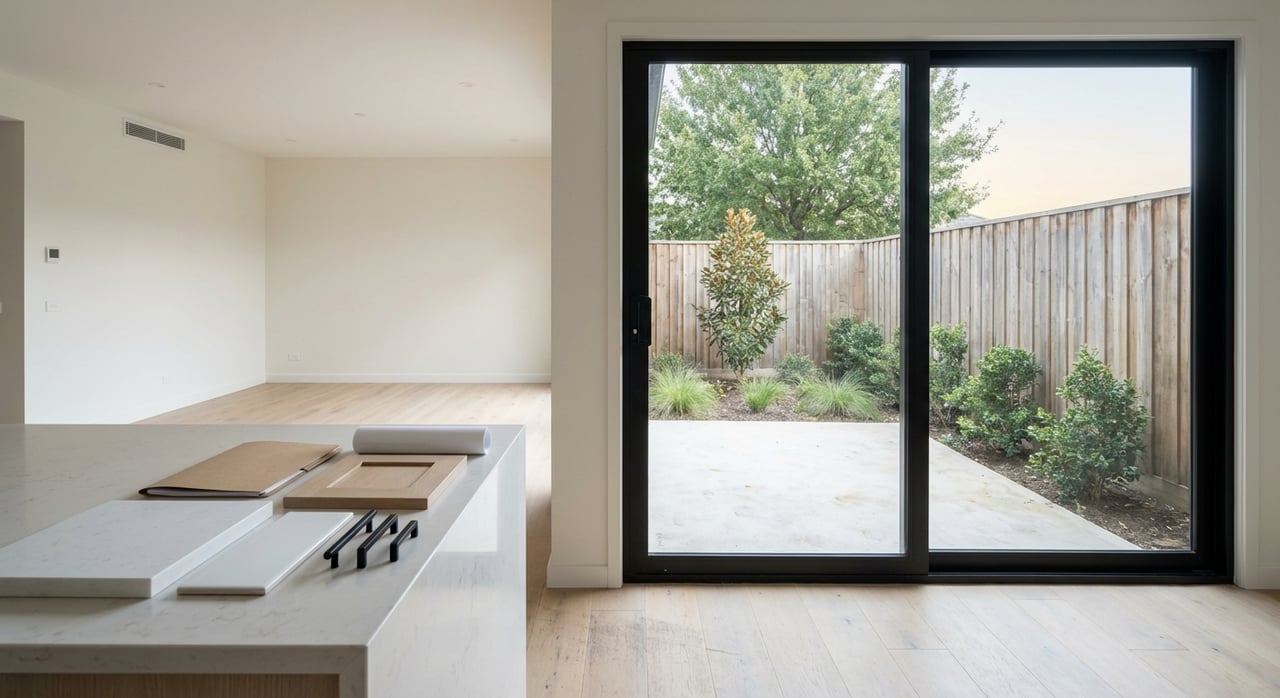
Thinking about a brand-new home in Holly Springs? You’re not alone. With easy access to NC‑55 and I‑540, strong local amenities, and steady growth, this Wake County town attracts buyers who want modern floor plans without the renovation guesswork. Still, new construction has its own rules. In this guide, you’ll learn the local timeline, what to look for in contracts and inspections, how financing differs, and how to choose the right lot. Let’s dive in.
Why Holly Springs is a strong new-build choice
Holly Springs continues to grow, supported by municipal investment in parks, infrastructure, and economic development. You’ll find a range of options, from production single-family neighborhoods and townhomes to semi-custom opportunities. National and regional builders are active, and many communities include amenities like pools, trails, playgrounds, and cabanas.
Expect a mix of quick move-ins and to‑be‑built plans. Pricing and incentives change often, so check onsite sales centers and current inventory for the most accurate numbers. To start exploring, review current options on an aggregated new‑home search page for Holly Springs. You can browse available communities and plans on this local new‑home overview.
How North Carolina new-construction contracts work
North Carolina builders typically rely on standard state forms or proprietary contracts. The common starting point is the Offer to Purchase and Contract (Form 2‑T), paired with a new‑construction addendum when applicable. You can preview the standard 2‑T language here: NC Offer to Purchase and Contract. Confirm which form the builder uses before you sign.
Key contract items to understand
- Pricing formula. Base price plus lot premium plus structural and design upgrades. Request a detailed worksheet with deadlines for locking selections.
- Deposits and schedules. Clarify the earnest money and any build-deposit milestones. Ask how deposits are held and under what conditions they are refundable.
- Dates and delays. Pin down the estimated completion date, allowable delays, and any remedies or extensions.
- Changes and pricing. Understand the change‑order process, fees, and cutoff dates for plan or finish changes.
- Inspections and permits. Know who pays for municipal permits and whether third‑party inspections are permitted.
- Financing terms. Check for financing contingencies, appraisal language, and what happens if the loan falls through.
- Closing and CO. The contract should outline when a Certificate of Occupancy must be issued and what happens if a temporary CO is needed.
- Warranties. Most builders follow a limited 1‑2‑10 structure: year 1 for workmanship/materials, year 2 for systems, and up to 10 years for structural coverage. Verify the exact coverage and claims process.
- HOA rules. Review the covenants, architectural guidelines, dues, transfer fees, and any planned assessments.
- Dispute resolution. Many builder contracts include mediation or arbitration clauses. Read these carefully.
Incentives and preferred vendors
Builders often offer closing cost credits, rate buydowns, or design‑studio allowances if you use their preferred lender or attorney. These can be valuable, but compare the total package against independent offers and get all terms in writing. For a quick primer on how builder incentives typically work, see this overview of builder‑tied incentives and rebates.
Timeline, permits, and inspections in Holly Springs
Production builds on prepared lots commonly run about 4 to 9 months from contract to completion. Weather, lot conditions, supply chain shifts, and municipal review can change timelines, so leave cushion if you have a hard lease end or sale date.
Within town limits, Holly Springs Development Services reviews plans, issues permits, and conducts inspections. You can monitor permit status and typical review times on the Town’s Permit Tracker. For settlement, a Certificate of Occupancy is typically required. Review the Town’s forms and procedures for CO and temporary CO on the Forms and Applications page.
Pro tip: Ask your builder for a target calendar with key municipal milestones. If timing is tight, consider a backup housing plan.
Smart inspections and quality checks
Municipal inspections confirm code compliance, but they are not a full quality review. Independent phase inspections help catch issues early, especially before drywall goes up. A standard new‑build inspection plan includes:
- Pre‑drywall inspection to review framing, mechanicals, plumbing, and electrical before walls are closed.
- Near‑final inspection a week or two before your builder’s walkthrough to surface punch‑list items.
- One‑year warranty walkthrough to address items that appear through the first seasons in the home.
Learn why pre‑drywall checks matter in this primer on pre‑drywall inspections. Confirm in writing when your inspector can access the site, any required safety gear, and whether re‑inspections are allowed.
Your pre‑closing walkthrough is when you and the builder document a punch list. Clarify how items will be completed, whether any funds will be escrowed until completion, and how you will submit warranty claims after closing.
Financing options for new construction
New construction offers several financing paths, each with pros and cons:
- Spec or quick‑move‑in purchase. You finance like a typical purchase mortgage once the home is complete.
- Construction‑to‑permanent loan. A single‑close loan that funds draws during construction and converts to a permanent mortgage at completion. It avoids two closings but can require more documentation up front.
- Two‑close construction loan. A short‑term construction loan followed by a separate refinance into a permanent mortgage.
Get familiar with one‑time close mechanics in this construction‑to‑permanent overview. Lenders often require builder approval, draw schedules, inspections for releases, and lien waivers. Budget for inspections, appraisals, and potentially higher down payments than a standard purchase.
Appraisals for new builds
Appraisers value homes on an as‑completed basis using similar new sales, often within the same subdivision or phase. Lot premiums and certain upgrades may not fully appraise if comps do not support them. Share plans, spec sheets, and recent closed new‑builds with the appraiser to help support value. Learn the basics in this guide to new‑construction appraisals.
Choosing the right lot and community
Holly Springs applies its Unified Development Ordinance to setbacks, buffers, landscaping, and design standards. Before you commit to a lot, review the recorded plat and applicable UDO standards. You can find the Town’s code here: Holly Springs Unified Development Ordinance.
Lot selection checklist
- Lot premium. Ask why the lot costs more or less than others around it.
- Orientation. Consider sun in main living areas and backyard usability.
- Topography and drainage. Understand grading, retaining needs, and any nearby stormwater features.
- Easements and utilities. Verify the buildable envelope versus recorded easements.
- Proximity. Note distance to amenities, open space, and roadways.
- Trees and privacy. Check which trees are protected or will be removed.
- Foundation type. Clarify slab, crawl, or basement options by lot.
- Water and sewer. Confirm public utilities versus any special conditions.
Most new neighborhoods have HOAs. Review CC&Rs, ARC rules, fees, reserve funding, and any planned assessments. North Carolina’s Planned Community and Condominium Acts frame association powers and buyer protections. For a buyer‑oriented checklist of HOA documents, see this HOA resale packet guide.
Where upgrades pay off at resale
Not all upgrades return equally at resale. National Cost vs. Value research shows curb‑appeal items and modest kitchen updates tend to recoup more than ultra‑custom features. See the latest Cost vs. Value report for broad patterns.
In Holly Springs, buyers often prioritize a functional kitchen, flexible space for a home office, durable flooring, and energy‑efficient mechanicals. Choose neutral finishes with broad appeal and document each upgrade in your contract so the appraiser and future buyers can see the value.
How a buyer’s agent adds real value on new builds
An experienced buyer’s agent with construction fluency protects your time and budget and reduces surprises. Here is how that looks in practice:
- Contract review and negotiation. We explain builder addenda, flag restrictive clauses, and negotiate lot premiums, timelines, and selections using the framework of standard NC forms like Form 2‑T when relevant.
- Construction coordination. We help schedule pre‑drywall and near‑final inspections, attend walkthroughs, and manage punch‑list follow‑up, especially useful if you are relocating.
- Financing and appraisal advocacy. We compare preferred‑lender incentives to market options and share nearby new‑home comps and specs with your appraiser.
- HOA and site due diligence. We pull plats, review UDO constraints and easements, and ensure you receive the HOA budget, CC&Rs, and estoppel documents.
Plan to sign a clear buyer representation agreement that outlines scope and compensation. Many markets, including North Carolina, now expect written buyer agreements before showings and offers.
Holly Springs new-construction checklists
Before you sign
- Research builder reputation, warranty coverage, and service response times.
- Request the exact contract and all addenda in advance.
- Get a preliminary closing cost estimate and compare lender options, including any preferred‑lender incentives.
- Confirm school attendance zones directly with Wake County Public Schools.
- Review draft HOA CC&Rs, budget, and fees; ask about planned assessments.
- Verify the lot’s recorded plat and any UDO constraints or easements.
- Line up your buyer representation agreement with your agent.
During construction
- Schedule a pre‑drywall inspection and any specialty checks.
- Track all change orders in writing with pricing and deadlines.
- Confirm municipal inspections are on schedule via the Town’s Permit Tracker.
- Document all selections and allowances and understand overage rules.
Before closing
- Complete a near‑final independent inspection.
- Confirm the Certificate of Occupancy or acceptable temporary CO via the Town’s Forms and Applications.
- Verify final permits and inspections are filed and approved.
- Obtain the HOA estoppel and final dues statement.
- Ensure the punch‑list completion plan is in the contract.
After move‑in (first year)
- Keep a running list for your 1‑year warranty walkthrough.
- Save receipts, serial numbers, and manuals for warranty claims.
- Follow your builder or third‑party warranty provider’s process and timelines.
Ready to build with confidence?
If you want a clear plan for a new build in Holly Springs, we can help you choose the right community and lot, negotiate a strong contract, and manage each milestone through closing and beyond. Connect with The Oxford Team at Compass to get a step‑by‑step strategy tailored to your timeline and budget.
FAQs
How long does a typical new build take in Holly Springs?
- Most production builds run about 4 to 9 months, but weather, lot conditions, and municipal review can add time. Keep a flexible move plan if your dates are tight.
What inspections should I order for a new home under construction?
- Schedule a pre‑drywall inspection, a near‑final inspection before your walkthrough, and a 1‑year warranty review. Independent inspections catch items that code checks may miss.
Do I need a Certificate of Occupancy to close on a new home?
- Yes, a CO is typically required for closing. Ask your builder to confirm timing and procedures with the Town of Holly Springs and share proof before settlement.
How do builder incentives and preferred lenders work?
- Builders often offer credits or rate buydowns if you use their preferred lender or attorney. Compare the total package, verify fees and rates, and get any conditions in writing.
What should I review before choosing a lot in Holly Springs?
- Check the recorded plat, UDO setbacks and buffers, easements, drainage, orientation, and proximity to amenities or roads. Confirm HOA rules and fees early.
How are new‑construction appraisals handled?
- Appraisals are done on an as‑completed basis and rely on nearby new sales. Provide the appraiser with plans, specs, and recent closings to support value.