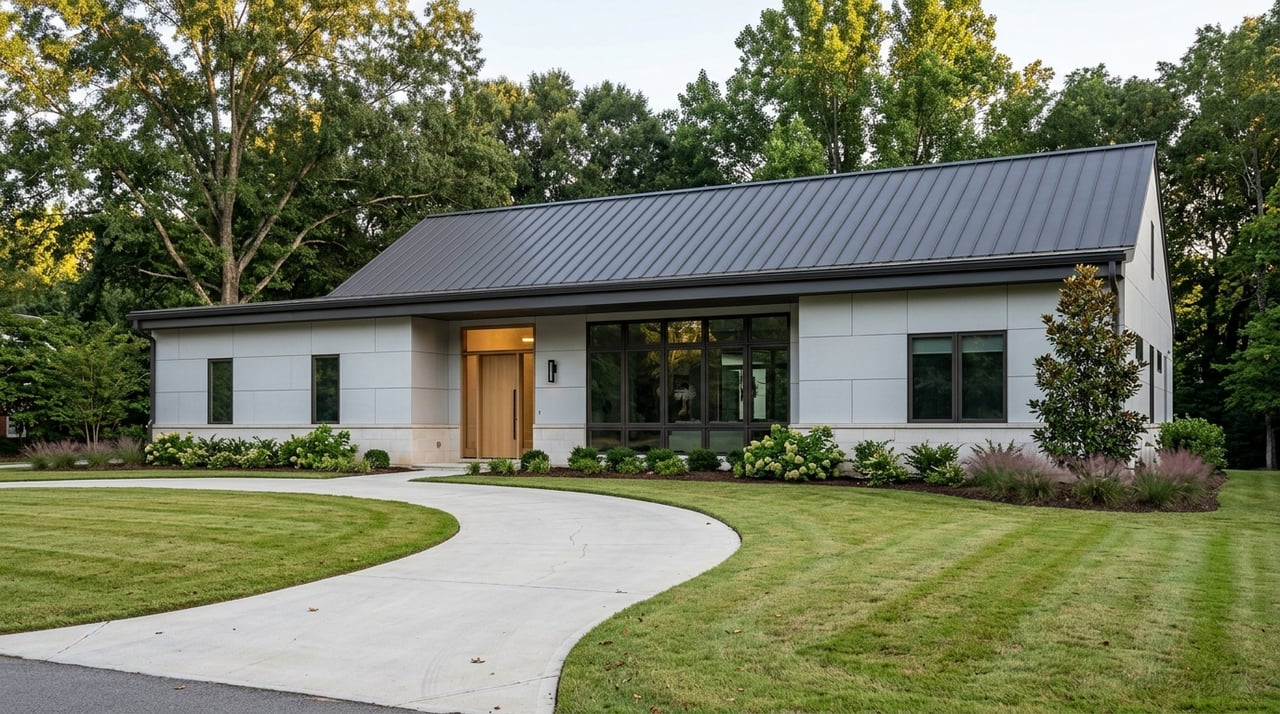
Craving more elbow room without leaving the Triangle? If you’re eyeing a home on small acreage in Clayton, you’re not alone. Extra land can bring privacy, space for hobbies, and room to grow. It also adds decisions about utilities, maintenance, and permits that differ from in-town homes. In this guide, you’ll learn the trade-offs, what to check, and how to move forward with confidence. Let’s dive in.
What “home on land” means in Clayton
Around Clayton, many listings with “land” fall in the 0.5 to 3.5 acre range, with some larger tracts scattered nearby. Smaller acreage close to town may have public utilities, while larger parcels in the county often rely on private well and septic. That mix affects both day-to-day living and your due diligence timeline.
If you want room for a future workshop, garden, or additional fencing, more acreage helps. Just know that more land usually means more grounds care, longer driveways, and more planning for utilities.
Town vs. county: utilities and permits
If a property is inside Town of Clayton limits, you can usually access town water, sewer, and municipal electric, plus options for gas and telecom from primary providers. Check service availability and providers on the Town’s Utilities & Infrastructure page. If you plan to connect, get written confirmation before you commit. You can explore the Town’s published utility information on the Town of Clayton Utilities & Infrastructure page.
In unincorporated Johnston County, many homes use private wells and on-site septic systems. Permits and inspections for both are handled by Johnston County Environmental Health. The county requires a site evaluation before issuing a septic permit, and inspections occur during and after installation. Learn more on the county’s pages for on-site wastewater permitting and private wells.
To confirm service areas fast, use the county GIS viewer to check parcel boundaries, local jurisdiction, and nearby utilities. Start with Johnston County MapClick GIS and request a written utility availability letter if municipal taps are essential for your plans.
Septic and well: what to know
Septic systems work well when properly designed and maintained. North Carolina State Extension recommends routine pumping about every 3 to 5 years, depending on household size and usage. Overloading the system or paving over drainfields are common causes of failure. See NC State Extension guidance on why septic systems fail.
Costs vary by site. Conventional designs are typically less expensive. Poor soils or high water tables can require engineered or alternative systems, which industry sources commonly quote in the low-to-mid five figures. For context, engineered systems are often cited around $12,000 to $30,000 or more depending on complexity. You can review an overview of cost factors for engineered systems from SepticTankHub. Always get local design quotes before relying on a site’s assumptions.
With wells, you will want current lab testing and a pump-flow test. New wells require bacteriological and chemical tests in Johnston County, and owners should keep well logs and recent results. Drilling cost depends on depth and geology, and contractor quotes in North Carolina often price work per foot. The county outlines permits, testing, and certified contractors on its private wells page.
Budgeting for acreage maintenance
- Grounds and mowing. More land means more time or budget for mowing, brush control, and tree work. Costs depend on vegetation type and whether you DIY or hire seasonally.
- Driveways and access. Longer gravel drives need periodic grading and fresh stone. Paved drives require occasional crack sealing and resurfacing over time.
- Trees and liability. Mature trees add shade and privacy but can pose storm risks. Consider a tree-risk assessment if the lot is heavily wooded, and note potential root intrusion near drainfields.
- Systems upkeep. Plan for septic pumping every few years and periodic well maintenance. Budget for potential repairs during long-term ownership.
Must-do checks before you write an offer
Request these items early. If you do not receive them, build them into your offer as contingencies and timelines.
- Septic: recent permit, site plan, last pumping date, and any repair permits. See the county’s on-site wastewater page for permit info.
- Well: well permit, well log, and recent water test results for bacteria and nitrate/nitrite. See Johnston County’s well guidance.
- Boundaries: current plat or survey, plus any recorded easements or covenants. Search recorded documents through the Johnston County Register of Deeds.
- Flood zones: confirm whether any buildable area lies in a Special Flood Hazard Area using the FEMA Flood Map Service Center. Map panel details can affect insurance and lender requirements.
Recommended inspections and studies:
- Full home inspection.
- Licensed septic inspection, including a system evaluation; add a site evaluation if purchasing a vacant lot.
- Well inspection, pump-flow test, and lab water-quality tests for potability.
- Boundary survey and easement review if acreage or access matters.
- Tree and forest health review for wooded tracts.
Internet, access, and everyday services
High-speed internet access can vary by road. The Town lists major telecom providers for in-town service, but availability differs by address. For county parcels, verify provider options during due diligence and before finalizing your offer. Also confirm trash service, fire response districts, and mail delivery type, since services differ inside and outside town limits.
Drive access matters on acreage properties. Check whether the driveway is private, shared, or recorded with an ingress/egress easement. Review the plat and any maintenance agreements with your attorney or closing team.
Insurance, taxes, and zoning basics
If any part of the parcel lies in a regulated flood zone, your lender may require flood insurance. Use FEMA’s tools to confirm zones for the house site and any planned outbuildings. You can access FEMA’s mapping tools on the Flood Map Service Center.
Tax rates differ by jurisdiction. Being outside town limits can lower municipal taxes, but you will have separate well, septic, and driveway costs. Ask your closing team to confirm the current county and municipal tax components for your parcel.
Zoning rules and permitted uses vary by location. Johnston County is updating its Unified Development Ordinance, so confirm your parcel’s current zoning district, allowed uses, and any minimum lot sizes before planning outbuildings or animals. You can follow updates and zoning resources on the Johnston County Planning UDO page.
Is a home on land right for you?
Choose land if you value privacy, outdoor hobbies, or room for future structures, and you are comfortable with extra maintenance and planning. Be prepared to confirm utilities early, budget for septic and well ownership, and complete more inspections up front. If you prefer a simpler setup with public utilities and lower maintenance, look closely at in-town or near-town homes on smaller lots.
Our team helps you weigh these trade-offs, interpret permits, and build the right contingencies into your offer so you can move forward with clarity.
How The Oxford Team at Compass can help
Buying acreage involves more steps, but it does not have to feel complex. We coordinate utility checks, connect you with local soil scientists and inspectors, review recorded documents, and guide you through due diligence timelines. If new construction is part of your plan, we also liaise with builders on site design and specs.
Ready to explore land-friendly homes in Clayton with a clear plan? Reach out to The Oxford Team at Compass for local guidance and a step-by-step path to your next chapter.
FAQs
What counts as a “home on land” near Clayton?
- Many Clayton-area opportunities fall in the 0.5 to 3.5 acre range, with some larger tracts; utilities and maintenance needs vary by location and lot size.
How do I confirm if a parcel has town utilities?
- Check jurisdiction and service areas using Johnston County MapClick GIS and the Town’s Utilities & Infrastructure page, then request a written utility availability letter.
What inspections are essential for well and septic in Johnston County?
- Include a licensed septic inspection and, if needed, a site evaluation; for wells, add a pump-flow test and independent lab water-quality tests; see county guidance on septic and wells.
How can I check flood risk on acreage in Clayton?
- Use the FEMA Flood Map Service Center to confirm zones for the house site and planned improvements, since flood zones affect insurance and lender requirements.
What are typical septic and well cost considerations?
- Plan for routine septic pumping every 3 to 5 years and recognize that engineered systems are often quoted around $12,000 to $30,000 or more depending on site constraints; well drilling costs vary by depth, geology, and local contractor rates.
Can I add outbuildings or keep animals on my land?
- Possibly, but rules depend on your parcel’s zoning and any recorded covenants or HOA restrictions; confirm current allowances with County Planning via the UDO resources and check recorded documents with the Register of Deeds.