Thinking about selling your home in Wake Forest but not sure where to start? You’re not alone. With more homes on the market than during the 2020–2022 peak, buyers have choices and preparation matters. In this step-by-step guide, you’ll learn how to price strategically, prep efficiently, market professionally, and navigate North Carolina disclosures so you can sell with confidence. Let’s dive in.
Understand today’s Wake Forest market
Local data shows a balanced-to-slightly-buyer-leaning market compared with the recent seller peak. Platforms tracking Wake Forest point to a median sale price near the mid-$400s and a typical value around the low-$500s, with median days on market in the 50s. Different platforms use different methods, so expect some variation.
Regionally, inventory across the Triangle grew notably through 2024 and 2025. That added supply gives buyers more negotiating room and puts a premium on accurate pricing and standout presentation. You can read more about the Triangle’s inventory trend in this coverage of growing listings across the region from Axios Raleigh.
Spring is still the most active season for buyers in Wake County. With more choice on the market, well-prepared homes that show beautifully and are priced right still rise to the top.
Choose the right timing
If you’re targeting speed, list when buyer activity is strongest, typically spring into early summer. That said, timing alone will not carry the sale. Pricing and condition drive results, especially when the sale-to-list ratio sits in the high-90s.
If you need to sell off-cycle, focus on making your home the clear best value in its price band. Thoughtful prep and pro marketing help you compete any time of year.
Price with a local CMA
Your list price sets the tone for how buyers perceive your home. Build a Comparative Market Analysis (CMA) that includes:
- Recent closed sales from the last 3–6 months in Wake Forest.
- Active comps and current pendings that reflect buyer choices right now.
- Adjustments for square footage, beds/baths, lot size, condition, and upgrades.
Track days on market and the sale-to-list ratio as early feedback signals. If showings are light in the first 10–14 days, the market may be telling you to adjust.
Pick a pricing tactic
- Price to attract: If you want a faster, more certain sale, list competitively near recent comps to maximize early showings and offers.
- Price to test: If your timeline is flexible, you can test the upper end of the range. Expect longer days on market and a higher chance of a reduction if traffic is soft.
- Use price bands: Many buyers search in round-number brackets. Pricing just below a threshold can increase your visibility in those filters.
Prep your home smartly
Start with high-impact, budget-friendly work. Then handle items that could derail offers during inspections.
High-priority quick wins
- Deep clean, declutter, and depersonalize. NAR emphasizes decluttering as a low-cost, high-impact step. See more on staging fundamentals from the National Association of REALTORS.
- Refresh paint in neutral tones where colors feel dated.
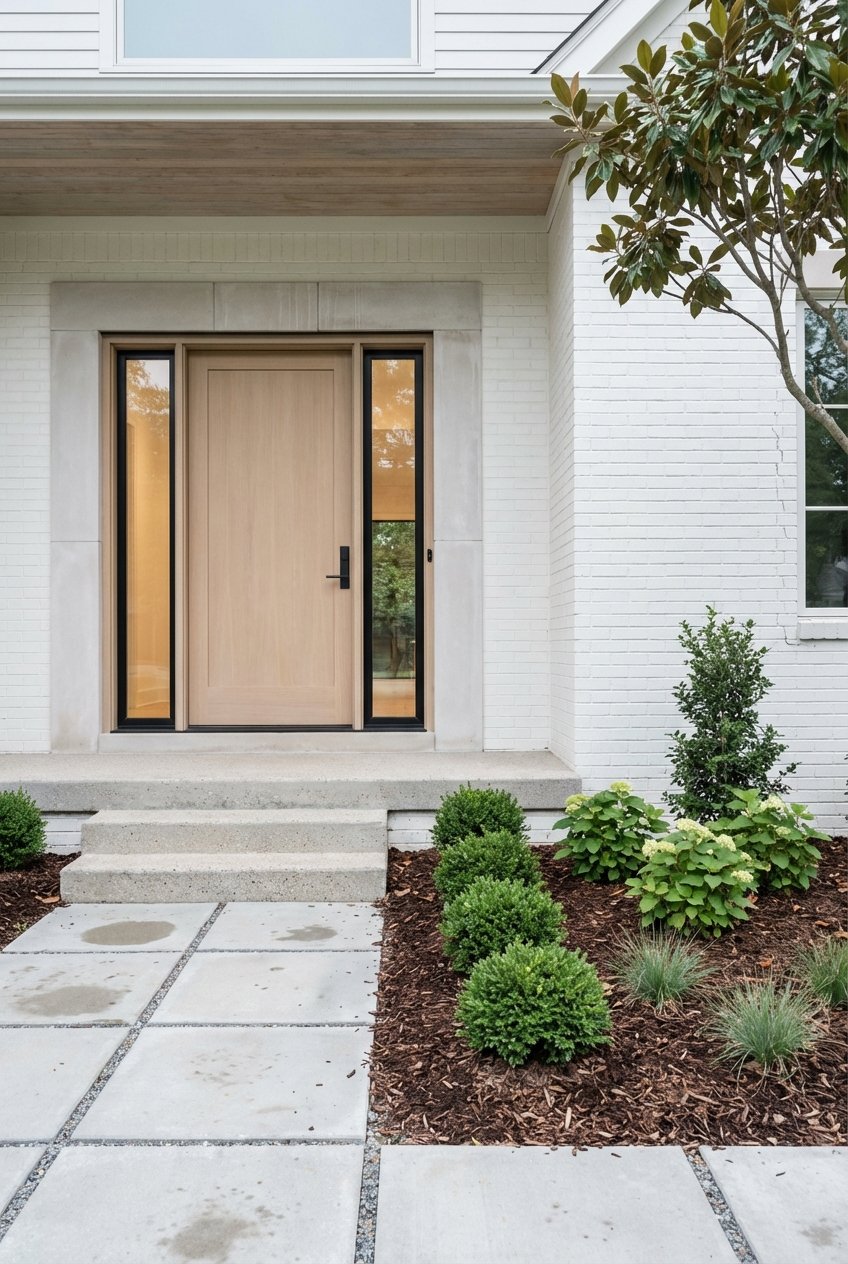
- Boost curb appeal with trimmed landscaping, new mulch, edged lawn, power washing, and a front-door touch-up. Curb appeal projects consistently rank among the best for value recoup, as highlighted by coverage of the Cost vs. Value study that shows exterior projects near the top for ROI. Review CVV takeaways in this summary on CMHA News & Insights.
- Fix obvious maintenance issues like slow drains, stained ceilings, dripping faucets, or non-working smoke detectors to avoid renegotiations.
Moderate updates with strong impact
- Swap dated lighting and hardware for clean, current fixtures.
- Consider minor kitchen refreshes, such as painting cabinets, updating hardware, or a simple counter upgrade. Industry guidance suggests minor kitchen improvements often recoup a higher percentage than full gut remodels. For budget planning, see a practical cost overview of small-scale updates on Homeyou.
- Tidy up the yard and address exterior paint or touch-ups as needed. Many exterior improvements, like garage and entry doors, perform well on ROI lists.
Big projects to consider carefully
Major renovations and luxury upgrades can be slow to recoup in a balanced market. Only take on larger projects if local comps support the scope and you have time to complete them before listing.
Consider a pre-listing inspection
A pre-list inspection helps you spot issues early, so you can repair or disclose them up front. This can reduce surprises during due diligence and strengthen buyer confidence. Learn how a pre-list inspection fits into a smoother sale in this practical overview from Clever’s seller tips.
Use Compass Concierge wisely
If you want to improve your home’s market appeal but prefer not to pay for prep work out of pocket, ask about Compass Concierge. The program fronts the cost of eligible pre-listing projects like staging, painting, flooring, landscaping, and select repairs, with payment deferred to closing or another defined milestone. Program terms vary by market, and fees or interest may apply depending on state rules. Review current program details on the Compass Concierge page.
Before enrolling, ask your listing agent:
- What exact scope do you recommend, and what is the budget by line item?
- What is the projected price impact or days-on-market reduction for my home, supported by local comps?
- How and when is repayment handled in North Carolina, and are there any fees or third-party lending terms?
- What are the terms if the listing is terminated or the home does not sell?
Stage, photos, and marketing
Presentation sells homes online before buyers ever set foot inside. Staging, professional photography, and smart marketing can materially increase engagement and help shorten time to offer.
- Stage the high-impact rooms first: living room, kitchen, and primary bedroom. See staging priorities and buyer insights from NAR’s staging resources.
- Invest in professional photography, including interiors and exterior twilight shots. Professionally shot homes attract more views and stronger first impressions. For a perspective on why photos matter, review this explanation of photography’s value from a real estate photographer on WordPress.
- Add a virtual tour or 3D walkthrough and a clear floor plan when possible. Virtual tools can increase engagement, especially with out-of-area buyers. NAR also highlights the benefit of digital assets for early marketing.
- Optimize your MLS remarks and first five photos to tell a clear, lifestyle-forward story. Pre-MLS tactics like Coming Soon can help build momentum when paired with a strong launch plan.
NC disclosures and documents
In North Carolina, sellers in most one-to-four unit residential sales must provide two state-mandated disclosure forms to buyers before the first offer is presented:
- Residential Property and Owners’ Association Disclosure Statement (RPOADS)
- Mineral and Oil & Gas Rights Disclosure (MOGS)
Sellers can choose “No Representation” on many RPOADS items, but brokers must disclose all material facts regardless. Failing to provide required disclosures can create buyer rescission rights. For timing and practical guidance, review the North Carolina Real Estate Commission’s bulletin on seller disclosures here.
If your home was built before 1978, federal rules require you to disclose known lead-based paint hazards and provide the EPA/HUD lead pamphlet. Buyers typically have a 10-day right to obtain a lead inspection. For details, see the EPA’s background on lead-based paint disclosure rules.
If your property is in an HOA, gather the association documents early. Buyers and lenders often request CC&Rs, budget and financials, meeting minutes, and information on any special assessments. The RPOADS form will prompt you to disclose the existence of an owners’ association.
Plan your selling timeline
Here is a typical order-of-magnitude roadmap. Your exact timeline depends on scope, contractor availability, pricing, and market response.
- Pre-list prep: 1–4 weeks for quick wins and staging. Moderate projects can add 2–8 weeks. If you use a concierge-style program, vendor scheduling can compress or expand this window depending on scope.
- Active market time: Median days on market in Wake Forest sits around the 50s. Well-prepared, accurately priced listings often go under contract faster than the median, while overpriced homes see longer timelines and reductions.
- Staging costs: Simple consultations can be a few hundred dollars up to around $1,000. Full vacant-home packages vary widely, often in the $2,000–$6,000+ range. Programs like Concierge can help cover approved costs until closing.
Showings, feedback, and pivots
Plan for the heaviest interest in the first two weeks. Keep the home show-ready, with lights on and temperature comfortable. Ask your agent to request feedback from buyer agents and share patterns quickly.
If traffic and inquiries are light, adjust one of the three levers: price, presentation, or marketing exposure. Start with the feedback you’re hearing. Small price adjustments or a refreshed photo order can meaningfully change engagement.
Negotiate offers with clarity
When offers arrive, compare more than price:
- Financing strength and lender reputation.
- Due diligence timelines and contingencies.
- Requested repairs or credits.
- Closing date and any rent-back needs.
Work with your agent to weigh certainty and net proceeds. If you completed a pre-list inspection, share relevant receipts and documents to support recent repairs and reduce friction.
Closing checklist
- Finalize agreed repairs with receipts and warranties where applicable.
- Confirm HOA documents and any transfer fees.
- Coordinate utility transfers and service cancellations for your closing date.
- Review settlement statements with your closing attorney to confirm credits, prorations, and payoffs.
Ready to map out your sale with a local plan tailored to Wake Forest? Reach out to the The Oxford Team at Compass for a free, data-informed valuation and a room-by-room prep strategy.
FAQs
How is the Wake Forest market different now than in 2020–2022?
- Inventory across the Triangle has grown since the peak seller years, which moderates price pressure and gives buyers more negotiating room, so accurate pricing and strong presentation matter more.
When is the best time to list in Wake Forest?
- Spring through early summer typically brings the most buyer activity, but well-prepared, well-priced listings can succeed year-round.
What should I fix before listing my home?
- Prioritize curb appeal, neutral paint, deep cleaning, and obvious maintenance issues first, then consider modest cosmetic updates in kitchens and baths if comps support them.
Do I need a pre-listing inspection in North Carolina?
- It’s optional but helpful to identify repairs early and reduce surprises during due diligence; it can improve buyer confidence and streamline negotiations.
What disclosures are required for NC home sellers?
- Most residential sellers must provide the RPOADS and MOGS forms before the first offer, and homes built before 1978 require federal lead-based paint disclosures and pamphlet distribution.