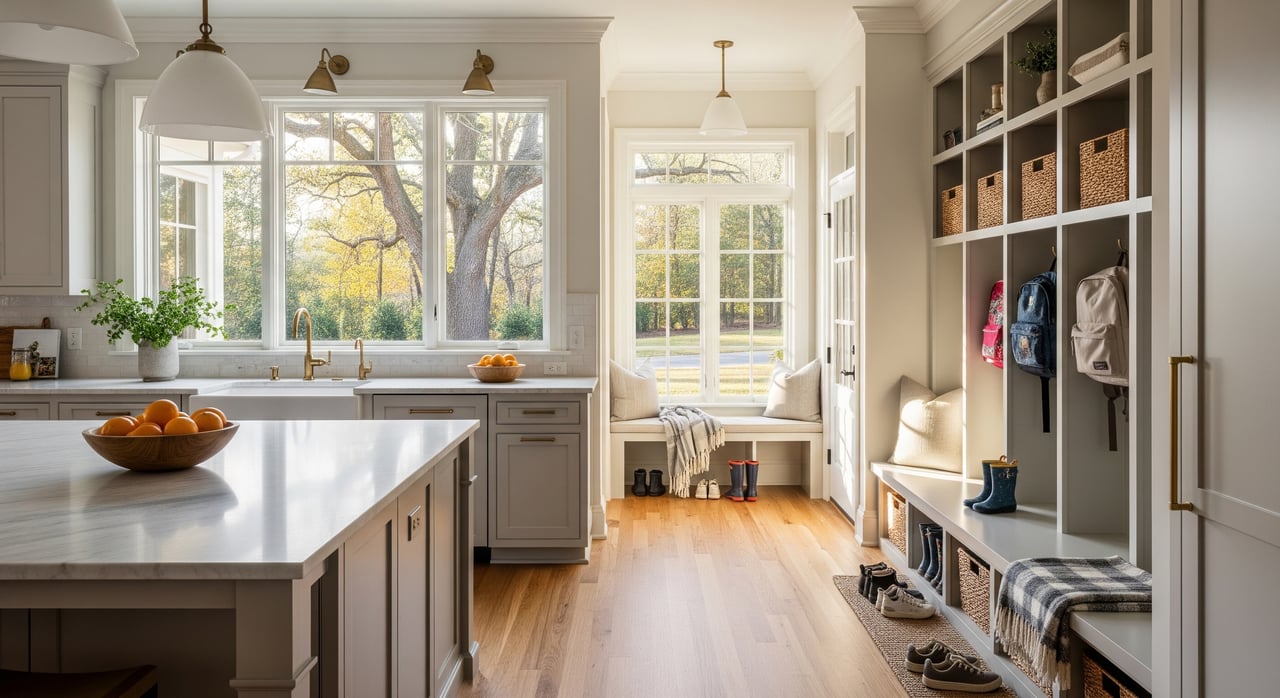
Juggling school dropoff, work calls, and soccer practice is a daily reality for many families. If you are considering Cary, you want to know how that rhythm actually works here day to day. In this guide, you will find what life looks like for busy families in Cary, from commute times and childcare to parks, neighborhoods, and time-saving tips. Let’s dive in.
Daily rhythm in Cary
Mornings that work
Most families start early with breakfast, backpacks, and quick checklists before heading to school or daycare. Morning traffic can build near popular school corridors, especially around downtown Cary and streets like Harper and Arena Drive that serve larger schools. Many households stagger schedules, with one parent starting earlier or working from home to avoid peak congestion. You will see carpools and neighborhood groups coordinating rides to keep mornings smooth.
After school and evenings
After school, you will find plenty of activities. Families spread out across town-run sports leagues, private sports clubs, music lessons, tutoring, and enrichment classes. Neighborhood pools and playgrounds make it easy to get outside on weeknights without a long drive. Quick dinners at home or takeout are common, followed by homework and a short errand run if needed.
Weekends that reset
Weekends lean outdoors and community-focused. Families bike the greenways, stop by the farmers’ market, and spend time at parks. Seasonal events and concerts add variety in spring and summer. Libraries, community centers, and rec sports round out the schedule and keep kids engaged.
Getting around: commutes and travel
Drives you can expect
Cary is a car-first town for daily errands. Within Cary, typical one-way drives are about 10 to 30 minutes depending on your neighborhood and time of day. If you work in Research Triangle Park, you can expect roughly 15 to 35 minutes, and downtown Raleigh is usually about 20 to 35 minutes. Raleigh–Durham International Airport is often a 15 to 30 minute drive, which makes business travel and family trips convenient.
Transit, biking, and greenways
Local and regional bus routes run through GoCary and GoTriangle, with park-and-ride options near major corridors. Bicycle commuting is growing, though most families use bikes more for recreation and school-neighborhood trips than for long commutes. Cary’s greenway network connects many neighborhoods to parks and schools, which is great for after-school rides and weekend outings.
Schools, childcare, and youth options
Public school landscape
Cary is served primarily by the Wake County Public School System, one of the largest districts in the country. Students attend a mix of traditional, magnet, and choice programs. Boundaries change periodically, so you should confirm current school assignments with the district and review the latest maps before you buy.
Private schools and childcare
You will find a range of private and independent schools in and around Cary, including faith-based and college-prep options. For early childhood care, daycare centers, preschools, and licensed in-home providers are available town-wide. Waitlists are common in popular areas, so many families start the search and apply months in advance.
Extracurriculars and youth sports
From town-run leagues to private clubs, kids’ activities are robust. Soccer, baseball, lacrosse, swim teams, dance, and gymnastics are easy to access. Community centers and YMCA branches offer drop-in play, classes, and summer camps that help fill in the weekly schedule.
Parks, libraries, and community life
Bond Park and the greenways
Fred G. Bond Metro Park is Cary’s flagship family destination. You get a large lake, trails, playgrounds, and seasonal paddleboat rentals all in one place. Hemlock Bluffs Nature Preserve offers nature programs and short kid-friendly hikes. The greenway system ties many neighborhoods to parks, which keeps recreation close to home.
Koka Booth and downtown festivals
Koka Booth Amphitheatre in Regency Park hosts concerts and family-friendly events, especially in spring and summer. Downtown Cary features seasonal festivals, a weekly farmers’ market, and civic events that bring neighbors together. Long-running favorites like the Lazy Daze arts and crafts festival are big draws each year, so check the current event calendar for dates.
Libraries and community centers
The Cary Regional Library and area branches run story times, homework help, and reading programs. Community centers offer indoor recreation, classes, and summer camps. Many newer neighborhoods also have community pools and playgrounds, which become social hubs during warm months.
Housing and neighborhoods for busy families
Home styles and eras
Cary’s housing stock is diverse. Closer to downtown, you will find older mid-20th-century bungalows and ranches with character, often on smaller lots. Across town, many larger subdivisions built from the 1990s to the 2010s offer 3 to 5 bedroom single-family homes on medium to larger lots, with townhomes and duplexes for lower-maintenance living. Newer infill and luxury builds have also added more options over the past decade.
Neighborhood types to consider
- Downtown and Old Cary. You get walkability, quick access to the farmers’ market and events, and a charming street grid. Homes can be older and may need updates, and lots are generally smaller.
- Master-planned subdivisions. These communities often include pools, playgrounds, sidewalks, and event programming. The built-in amenities can cut weeknight travel for activities but come with HOA dues and covenants.
- West Cary. Closer to RTP with many newer developments, which can be useful for hybrid commuters aiming to trim drive times.
- South Cary. Quieter residential pockets with a mix of home ages and access to parks and community amenities.
- Eastern Cary. Closer to the Raleigh border with established neighborhoods and short drives to regional corridors.
HOAs, taxes, and costs
Cary’s cost of living is higher than the state average, mainly due to housing. Property tax bills usually include Wake County and Town of Cary rates, plus any special district assessments. Many newer subdivisions have HOAs that manage common areas and set architectural standards, so review covenants early for details on dues, rentals, vehicles, and exterior changes.
Cary tends to command a price premium compared with North Carolina overall, driven by amenities, location, and school options. Prices vary by neighborhood, home age, lot size, and school assignment. Market conditions change quickly, so verify the latest median prices, inventory, and days on market with current Triangle MLS data before you make decisions.
A busy family’s weekday in Cary
- 6:30 a.m. — Breakfast, pack lunches, and quick backpack check.
- 7:15 a.m. — School and daycare dropoffs, often 10 to 20 minutes.
- 8:00 to 9:00 a.m. — Commute to RTP or downtown Raleigh, typically 20 to 35 minutes.
- 3:00 to 6:00 p.m. — After-school pickup plus practice at a rec center or along a greenway, while another child attends an enrichment class.
- 6:00 to 7:30 p.m. — Dinner, homework, and a short errand if needed.
- Saturday — Morning sports league, then family time at Bond Park or a downtown event.
Tips to simplify life in Cary
- Create or join a neighborhood carpool to reduce weeknight driving.
- Map your commute by time of day, not just distance, to find realistic routes.
- Apply early for daycare and preschool to get ahead of waitlists.
- If a neighborhood has an HOA, read covenants for dues, exterior rules, and rental policies.
- Prioritize proximity to parks, pools, and greenways to keep after-school play close.
- Keep a short list of nearby urgent care and pediatric offices for quick access.
- Check the town’s event calendar at the start of each season to plan around festivals and concerts.
- Confirm school boundaries and program options for specific addresses before making an offer.
How The Oxford Team at Compass helps busy families
You deserve a move that supports your schedule, not the other way around. Our team brings decades of Triangle experience to help you compare neighborhoods, confirm commute realities, and understand school assignment considerations for specific homes. If new construction is on your list, our builder-liaison expertise streamlines selections, timelines, and negotiations. Selling a current home is easier with Compass Concierge and enterprise marketing that prepare and present your property for a strong outcome.
Whether you are relocating, moving up for more space, or balancing hybrid work with a full calendar, we make the process efficient, data informed, and comfortable. Ready to talk neighborhoods, timing, and next steps? Reach out to The Oxford Team at Compass to schedule a conversation.
FAQs
Is Cary a good place for families with school-age kids?
- Cary offers parks, greenways, community programming, and access to public and private school options, and you should verify school assignments and performance for specific addresses.
How long is the commute from Cary to Research Triangle Park?
- Typical one-way drive times range from about 15 to 35 minutes, depending on your neighborhood and time of day.
What kinds of homes can I find in Cary?
- Options include older bungalows and ranches near downtown, larger single-family homes in 1990s–2010s subdivisions, townhomes, and newer infill and luxury builds.
Are HOAs common in Cary neighborhoods?
- Many newer subdivisions have HOAs that manage amenities and set architectural standards, so review covenants early for dues, exterior rules, and rental policies.
What are the best ways to spend a weekend in Cary with kids?
- Try a picnic or paddleboat outing at Bond Park, a greenway bike ride, library storytime, or a concert or seasonal festival at Koka Booth or downtown.
Ready to find your fit in Cary? Contact The Oxford Team at Compass for local guidance and a streamlined plan.