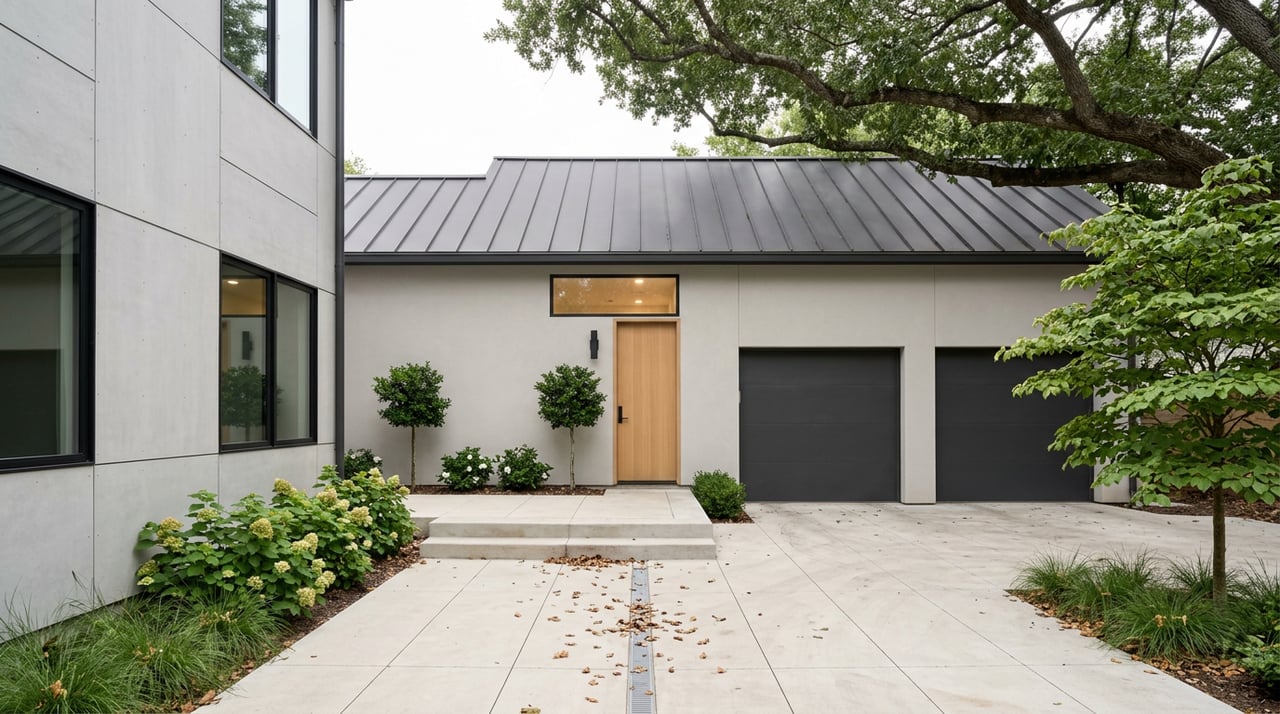
Thinking about buying a rental home in Chapel Hill? You’re not alone. With UNC, UNC Health, and Research Triangle employers nearby, rentals see steady demand across seasons and price points. In this guide, you’ll learn the key market signals, local rules, budgeting basics, and practical steps to make a smart purchase. Let’s dive in.
Why Chapel Hill rentals stay in demand
UNC and UNC Hospitals anchor the local economy, drawing faculty, clinical staff, graduate students, and researchers who rent year-round. That base creates consistent demand alongside seasonal turnover around the academic calendar. UNC Hospitals is recognized among top academic medical centers, highlighting the area’s employment reach and stability for housing needs. You can review that context in this list of top academic medical centers.
The broader Research Triangle also adds commuter tenants. Some residents accept a 20–40 minute drive to and from Research Triangle Park and Raleigh-Durham job clusters, which together host tens of thousands of roles across tech, life sciences, and research. You can get a sense of RTP’s employer presence in regional announcements and press releases.
When it comes to prices and rents, sources vary. Recent snapshots show typical Chapel Hill home values generally in the $500,000 to $620,000 range depending on the data set and time frame. For a quick signal, compare multiple trackers like Zillow’s Chapel Hill page. For rents, trackers also differ. A recent Zumper snapshot for Chapel Hill showed a median around $1,994 per month, while other platforms report different figures based on unit mix and timing. Use multiple sources like Zumper’s rent research and active local listings for your target neighborhood and property type.
One more helpful context point: The town’s owner-occupied rate is under 50 percent, indicating a meaningful share of renter households. That aligns with consistent rental activity across the market. You can see this in the ACS QuickFacts for Chapel Hill from the U.S. Census Bureau.
Property types and where to look
Investors tend to focus on three categories that match local renter profiles:
- Single-family homes across Chapel Hill. These often attract professionals, hospital staff, and households seeking 12-month leases.
- Townhomes and small multifamily options near walkable corridors and the university. These can offer efficient footprints and steady demand.
- Condominiums in planned communities or near activity nodes. Always verify HOA leasing rules before you buy.
Neighborhood tradeoffs matter. Areas close to UNC and Franklin–Rosemary tend to see strong interest from students and university staff, along with higher turnover and details like parking enforcement and historic district rules. You can explore the town’s overlay districts for location-specific standards.
Planned communities such as Southern Village and Meadowmont offer a different profile, with mixed uses and newer homes that often appeal to longer-term renters. For context on Southern Village’s design and location, see this community overview. For a broader read on local housing patterns and amenity nodes, review the town’s market study.
Local rules to confirm before you buy
Short-term rentals. Chapel Hill regulates short-term rentals with distinct rules for primary-residence versus dedicated STRs, a local registration process, inspection elements, and occupancy limits. Dedicated STRs are only allowed in certain locations. If you’re considering Airbnb or similar, read the town’s short-term rental rules and confirm current permitting and zoning for the specific address.
Landlord-tenant law. North Carolina sets statewide rules for leases, including security deposits, notice, and eviction timelines. Your lease and deposit handling must follow Chapter 42 of the General Statutes. You can review the statute directly here: N.C. General Statutes, Chapter 42.
Property taxes. Orange County property tax bills include county, municipal, and school or special-district layers. For FY2025–26, the county adopted a rate of 0.6383 per $100 of assessed value, and the Town of Chapel Hill’s municipal portion appears as 0.5000 per $100 in county documentation. Rates and assessments change by year, so confirm the latest numbers for your scenario and test estimates using the county’s Property Tax Estimator.
HOAs and overlays. Condos, townhomes, and some planned communities may restrict leasing or short-term stays, set minimum lease lengths, or require tenant applications. Always review the HOA documents and any town overlays during due diligence.
Lease terms and tenant expectations
In non-student segments, most renters expect a 12-month fixed lease with a clear renewal process. These households, which often include hospital staff and professionals, typically deliver steadier occupancy and lower churn.
Student-oriented rentals track the academic calendar. Some owners write 9–12 month agreements, while others use standard 12-month leases. Turnover frequency and maintenance needs often run higher in college markets. One investor guide notes that college-town turnovers can be materially higher than non-college markets, which supports planning for more frequent turnover costs. You can read that context in this North Carolina rental investing overview.
Property management fees vary by service level and property type. For long-term rentals, ongoing monthly management often ranges in the single digits as a percentage of collected rent, with separate leasing or placement fees. Short-term rental management typically costs more due to frequent guest turnover. For a quick primer, see Zillow’s overview of property management costs.
Budgeting and returns: simple math that matters
Three core metrics help you compare options:
- Net operating income (NOI): annual rent minus operating expenses, before debt and taxes.
- Capitalization rate (cap rate): NOI divided by purchase price. This is a snapshot of the unlevered yield.
- Cash-on-cash return (CoC): annual pre-tax cash flow after debt divided by your cash invested at purchase. This is sensitive to down payment, rate, and term.
You can find standard definitions and formulas in industry guides such as this summary resource.
Quick example to stress-test a Chapel Hill scenario:
- Assume gross rent of $2,000 per month, or $24,000 per year.
- Subtract operating expenses like taxes, insurance, repairs, management, vacancy, and utilities you cover. If those total $9,000, your NOI equals $15,000.
- If you pay $500,000 for the property, the cap rate is $15,000 ÷ $500,000, or 3.0 percent.
Local investment summaries for single-family homes often imply cap rates in the lower single digits, which is why detailed underwriting is essential. For a quick scan of local yield context, review this Chapel Hill investment guide. The right buy hinges on price, rent, taxes, insurance, and your financing.
A practical due diligence checklist
Before you write an offer, confirm the details that move your returns:
- Zoning and short-term rental allowance for the specific address. Start with the town’s overlay districts and STR ordinance.
- HOA leasing rules and any minimum lease terms if you’re buying a condo or townhome.
- Recent comparable rents and expected vacancy in the immediate area. Use a blend of active listings and rent trackers like Zumper for a reality check by unit type.
- Property tax history and estimated bill using the county’s Property Tax Estimator.
- Utilities, parking availability, and any on-street restrictions that can affect demand or turnover timing.
During ownership, plan for:
- A capital reserve for systems and big-ticket items like roof and HVAC.
- Clear written leases and compliant deposit handling per Chapter 42.
- Property management support if you prefer a hands-off approach, with fees budgeted up front.
Exit and resale outlook
Chapel Hill’s limited land and university-driven demand can help support values in many neighborhoods over the long run. That said, short-term pricing signals vary by data source and timeframe, so track the most recent comps when planning a sale. A quick pulse check is available via market snapshots, but your final strategy should lean on the latest MLS data and condition-specific comparables.
How we help you buy the right rental
Buying a rental in Chapel Hill is part math and part local nuance. You want the right property type, location, lease strategy, and numbers that hold up under conservative assumptions. Our team pairs neighborhood-level insight with clear underwriting to help you compare options and negotiate confidently.
If you’re weighing a purchase, or you’re moving up and debating whether to convert your current home to a rental, let’s talk through rents, taxes, HOA rules, and financing paths. Connect with The Oxford Team at Compass to pinpoint target neighborhoods, model cash flow, and map your next steps. Request a Free Home Valuation to explore renting versus selling, and build a plan that fits your goals.
FAQs
Are short-term rentals legal in Chapel Hill?
- Yes, but they are regulated. Primary-residence STRs and dedicated STRs have different rules, plus registration and operational standards. Review the town’s short-term rental rules and confirm zoning for the exact address.
How do UNC and the academic calendar affect vacancy risk?
- Student demand adds seasonality and higher turnover compared with non-college markets, so student-focused properties often need earlier leasing and larger turnover budgets. See this college-town turnover context.
What should I budget for property taxes on a Chapel Hill rental?
- Orange County bills include county, municipal, and school or special-district layers. Rates can change with revaluations, so test scenarios with the county’s Property Tax Estimator and verify the current year’s adopted rates.
What lease length do Chapel Hill renters expect?
- Many professionals and hospital staff prefer 12-month leases with renewal options. Student properties may run 9–12 months tied to the academic year, with more frequent turnovers.
How much do property managers charge in the Triangle?
- For long-term rentals, ongoing monthly management often falls in the single-digit percentage of collected rent, with separate leasing fees. Short-term rental management usually costs more. Here’s a helpful cost overview.